

Someone already spent millions to prove that process matters more than brand.
브랜드나 입지보다 더 결정적인 것은 ‘판매 프로세스’입니다.
In 2025, a major online used-car retailer stopped battling franchise laws and began acquiring franchised dealers directly. They bought seven. At their first location in Casa Grande, Arizona, monthly sales skyrocketed from 30–50 units to over 700 — becoming the brand’s highest-volume dealership in the nation.3
The only variable was how cars were sold. That is the most definitive proof to date that the growth gap is driven by process — and that process can be encoded into software.
However, buying dealerships one by one isn't a viable strategy for the remaining 16,000 dealers. Empowering them with the right tools is the solution. That is where EPIKAR steps in.
This is the store we run, and the system that runs it.
A two-minute look at our live Renault flagship in Gangnam, Seoul — built for real customers, running today.
Open the live storefront ↗
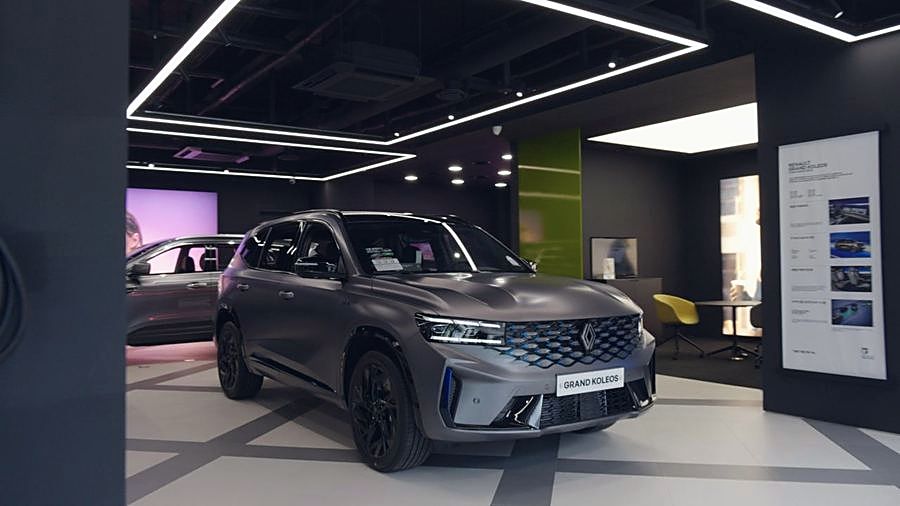
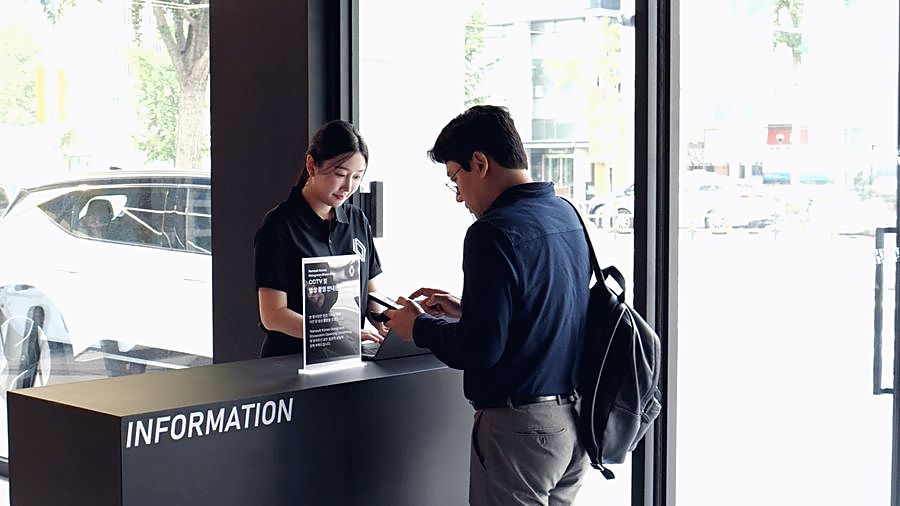
The CEO of Renault Korea handed us full control of his flagship store.
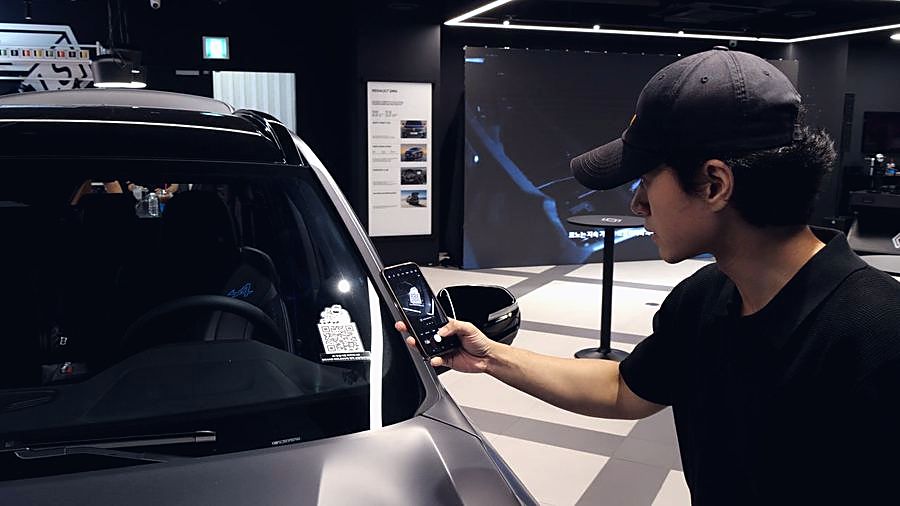
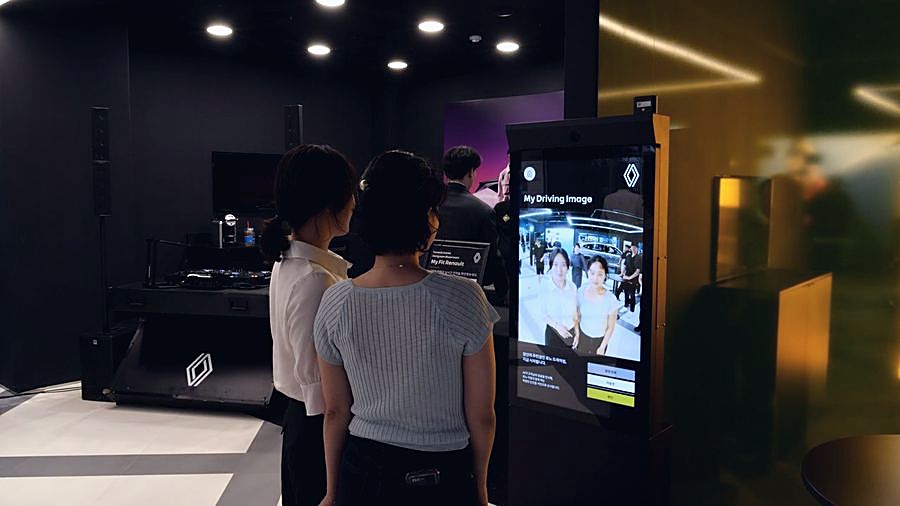
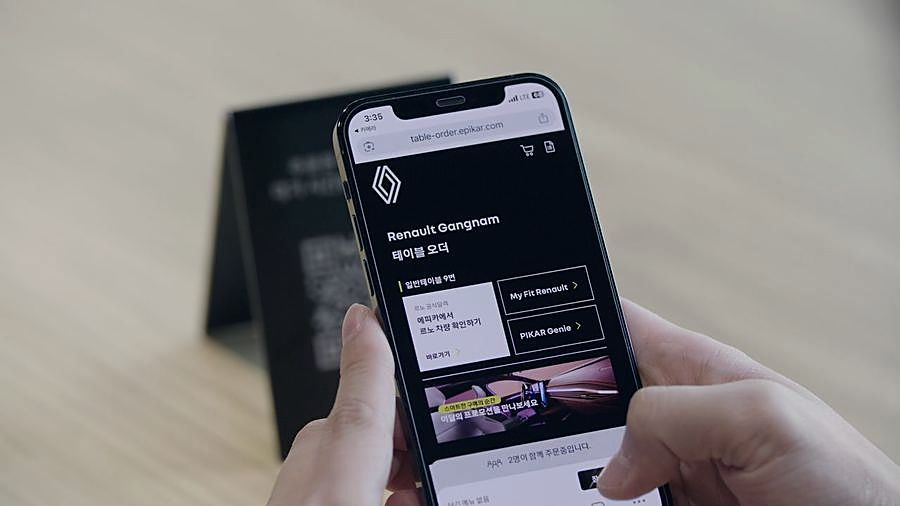
Not a pilot. Not a kiosk in the corner. Staff, inventory, and P&L managed end-to-end by EPIKAR. Here is how we performed and what it means for dealers operating our platform.
A software company taking full ownership of a live dealership.
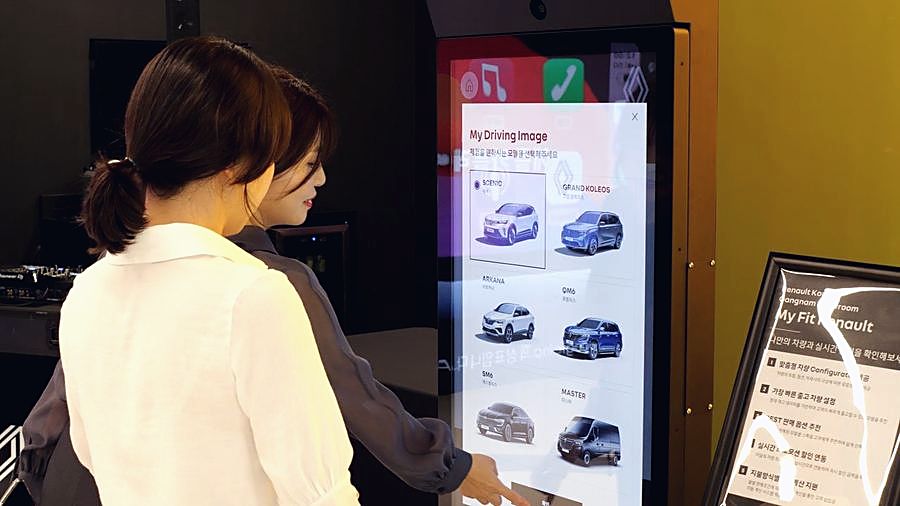
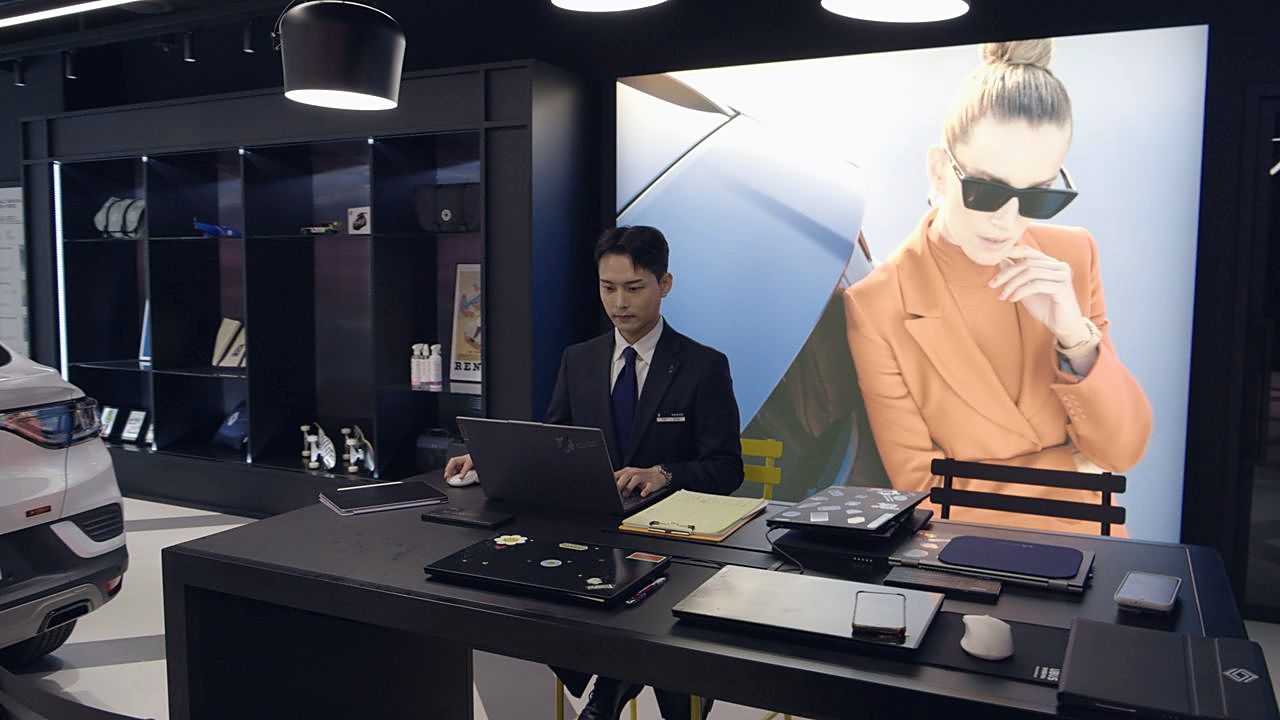
EPIKAR assumed full operational control of the Renault flagship store in Gangnam, Seoul. Rather than adding a software module on top of legacy tools, we took complete ownership of store operations, sales staff, and bottom-line profitability.
Watch the opening of the store ↗6.2 sales per consultant per month — at the flagship store we operated.
Operating margin reached 8.3% at the store we operated2, and test-drive conversion rose 42%, as reported by Automotive News. One firm price: the price quoted is the price signed, because every quote is retrieved from the live price book rather than generated.
Proven through direct operation. Built for global licensing.
A US dealer group is our first US deployment running this exact architecture — operated entirely by their team. The platform was engineered for seamless handover, making our Seoul results fully scalable and repeatable for US dealerships.
Will the Gangnam results repeat at another dealership?
It is the most critical question potential clients ask — and one we face directly. Every metric shown above was achieved in a store EPIKAR operated firsthand. When you buy a license, you are not hiring our team; you are implementing the platform for your own team to run.
Direct operation revealed precisely which variables drive results: what the system must avoid saying, the exact handoff timing between AI and staff, and the key 12-minute window that closes a sale. Those operational insights are now fully embedded into the software itself. As third-party deployment data scales, we will publish those independent results transparently — wherever the numbers fall.
It runs inside your building, on your data, under your brand.
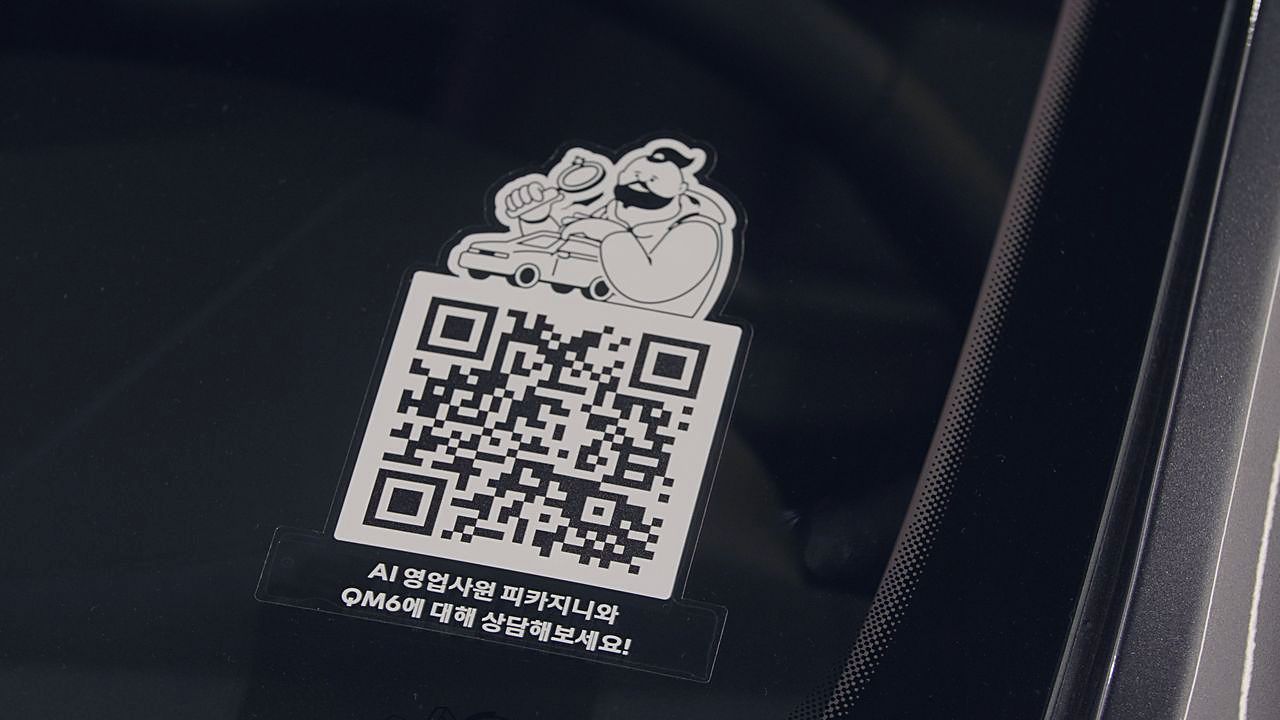
A unified record across dealers, customers, vehicles and aftersales, an OEM-specific data pipeline, and a model trained on automotive domain knowledge rather than adapted from a general-purpose chatbot.
All AI inference runs locally on a dedicated hardware appliance inside your store. Raw personally identifiable information (PII) never exits the building, enabling full compliance across OEM programs while keeping customer records strictly on-site.
Each deployment is custom-tuned to a single brand and location — reflecting its exact vehicle lineup, brand voice, incentive structures, and escalation workflows. No two dealerships ever share a model or a database.
Pricing, specs, incentives, and inventory are retrieved in real time. If data is unavailable, the AI acknowledges the limitation and seamlessly transfers the customer to a human consultant. In auto retail, one incorrect figure loses a sale.
Start with one number you can check.
검증 가능한 실질적 수치에서부터 에피카의 성과를 직접 확인하십시오.
Most US dealers begin in the service lane. It is the shortest path to finding out whether we are telling the truth.